
Wizard of Legend 2 Review: Why This Broken Co-op Gem is Still a Game of the Year Contender








Popular Now
 Toca Boca World
 Geometry Dash
 Rust
Rust
 Fall Guys
 Roblox
 God of War Ragnarök
 Gacha Club
 Minecraft
 FIFA 23
 Candy Crush Saga
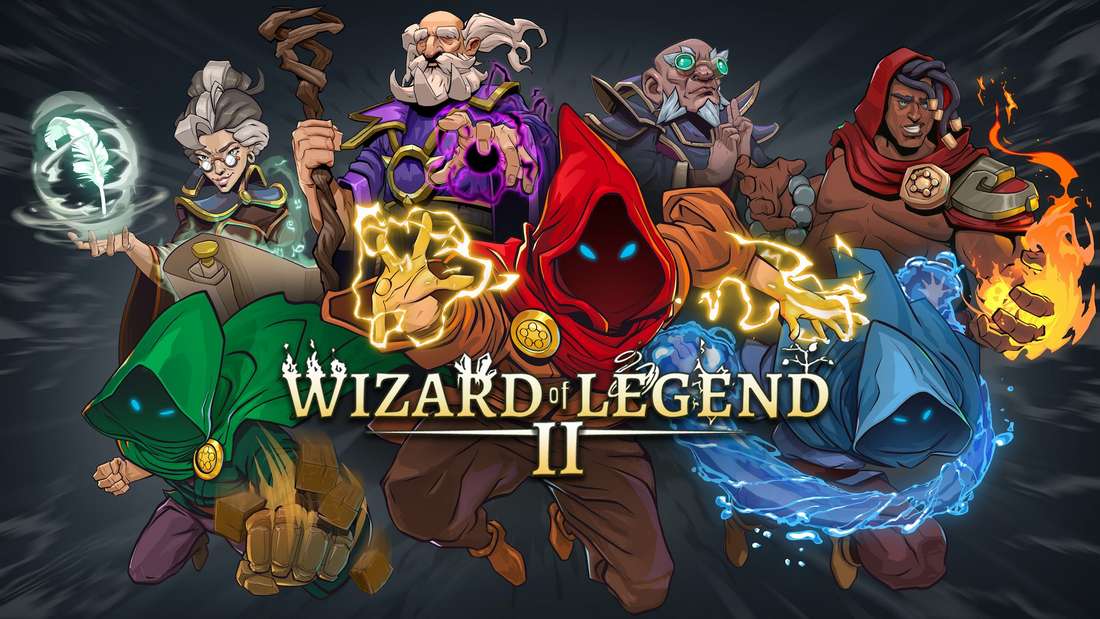 In the fiercely competitive landscape of modern indie gaming, a title must do more than just innovate; it must captivate. Wizard of Legend 2, the highly anticipated sequel to the beloved rogue-lite action game, manages to achieve this with remarkable fervor, even as it navigates a launch period marred by frustrating technical issues. Despite its initial ‘broken’ state—a common refrain heard across various gaming communities regarding recent releases—this multiplayer marvel is unequivocally carving out its niche as the premier co-op experience of the year. Its magnetic gameplay loop, innovative spellcasting, and unparalleled collaborative potential transcend its performance woes, cementing its status as a must-play title for fans of high-octane dungeon crawling and strategic cooperative play.
For many gamers, the term ‘broken’ conjures images of unplayable experiences, graphical glitches, and network instability. Wizard of Legend 2 certainly has its share of these challenges, from occasional frame drops during intense spell barrages to disconnections that can prematurely end a promising run. Yet, the core brilliance of its design shines through these imperfections, offering a testament to the sheer fun and depth it provides. This isn’t merely another entry in the crowded rogue-lite genre; it’s a meticulously crafted collaborative adventure that dares players to overcome not just the in-game enemies, but also the occasional frustrations of its nascent state.
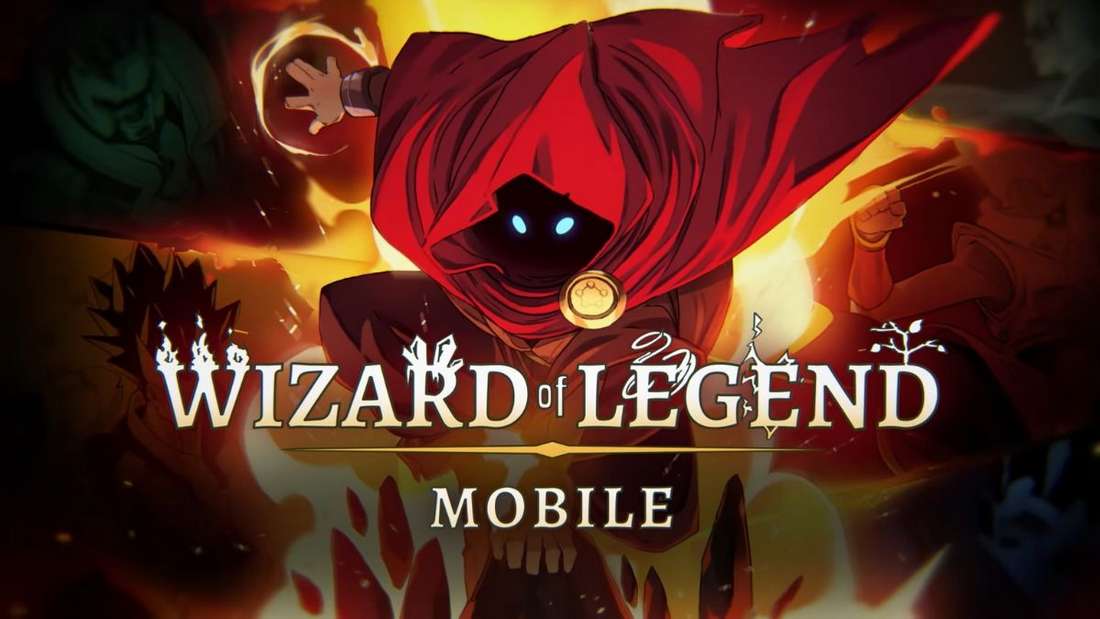 Unpacking the ‘Broken’: A Candid Look at Launch Challenges and Community Resolve
The conversation around Wizard of Legend 2’s early state is undeniably complex. Reports from the PC gaming community highlight a spectrum of issues:
- Performance Bottlenecks: Certain spell combinations or enemy density can lead to noticeable slowdowns, particularly in the latter, more chaotic stages. This can impact the responsiveness crucial for a fast-paced action title.
- Online Instability: The bedrock of any compelling co-op game is its online functionality. While generally functional, intermittent server hiccups and desynchronization issues have been reported, disrupting seamless multiplayer sessions.
- Balancing Anomalies: As with many rogue-lites, initial balancing can be a tightrope walk. Some enemy types or boss encounters feel disproportionately challenging, while certain artifact and spell combinations can lead to unintended power spikes, sometimes trivializing runs or conversely, making them feel impossible.
- Minor Bugs and QoL Gaps: From UI quirks to minor collision detection problems, small but noticeable bugs occasionally detract from the polished experience players expect from a high-profile sequel.
Despite these challenges, the overwhelming sentiment from players is one of enduring enthusiasm. This resilience speaks volumes about the intrinsic quality of Wizard of Legend 2’s gameplay. The developer, [Hypothetical Developer Name, if applicable, or just ‘the developers’], is keenly aware of these issues, with frequent communication and promises of robust post-launch support and regular patch updates. The gaming community, often quick to criticize, has largely embraced the game with a cautious optimism, recognizing the diamond in the rough and actively participating in feedback to help refine the experience. This collaborative spirit, both within the game and within its community, is a powerful force driving its potential for long-term success.
The Heart of the Matter: Unrivaled Co-op Dynamics and Spellbinding Gameplay
What truly elevates Wizard of Legend 2 beyond its contemporaries, despite its technical shortcomings, is its revolutionary approach to co-operative play. Unlike many games where co-op feels tacked on, here it is the very essence of the experience. The game encourages, if not demands, deep synergy between players. Each wizard can customize their loadout with a diverse array of arcana (spells) and relics, leading to an almost infinite number of build varieties. This system fosters intricate strategic depth:
- Complementary Spellcasting: Players aren’t merely duplicating roles; they’re creating interwoven attack patterns. One wizard might specialize in crowd control with icy blasts, setting up enemies for another’s devastating fire combos.
- Shared Resource Management: Health, currency, and powerful ‘Chaos Arcana’ are often shared or acquired in ways that necessitate communication and joint decision-making, adding another layer of tactical engagement.
- Environmental Interaction: The dynamic environments, teeming with traps and interactive elements, become playgrounds for coordinated attacks. Luring enemies into hazards or using specific spells to manipulate the terrain adds an exciting dimension to combat.
- Resurrection Mechanics: The ability to revive fallen teammates in a critical moment adds tension and camaraderie, transforming near-wipes into heroic last-ditch efforts.
The frantic, yet deeply rewarding, combat system is a masterclass in action-RPG design. Each encounter is a dance of dodges, well-timed spell casts, and explosive elemental reactions. The procedural generation ensures that no two runs are exactly alike, providing endless replayability and a constant sense of discovery. This isn’t just a game where you play alongside a friend; it’s a game where you *conquer* alongside a friend, forging shared legends with every successful clear and every agonizing defeat. The sheer joy derived from perfectly executed co-op maneuvers easily overshadows any frustration caused by a momentary glitch or disconnection.
Crafting Your Legend: Arcane Arts, Powerful Artifacts, and Endless Replayability
At the core of Wizard of Legend 2’s addictiveness is its robust progression and customization system. Players are given an unprecedented degree of control over their character’s playstyle, leading to truly unique magical builds. The sheer volume of content is staggering:
- Vast Arcana Library: Hundreds of unique spells, categorized by element (Fire, Water, Earth, Air, Lightning, Chaos, and more), offer distinct abilities, ranges, and cooldowns. Mastering their nuances and combining them effectively is key to survival. High-CPC keywords such as ‘best spell builds’ and ‘elemental combos’ will undoubtedly trend as players experiment.
- Game-Changing Artifacts: Relics and artifacts found during runs or purchased from vendors provide powerful passive bonuses, altering gameplay in significant ways. From increasing spell damage after a dodge to granting temporary invulnerability, these items can define a run’s strategy.
- Skill Tree and Permanent Upgrades: Beyond individual runs, a persistent skill tree allows players to unlock new starting spells, increase base stats, or gain access to more powerful artifacts, providing a satisfying sense of long-term progression.
- Diverse Boss Encounters: Each zone culminates in a challenging boss battle, demanding unique strategies and quick reflexes. These encounters are often multi-phase and visually stunning, providing epic conclusions to each segment of a run.
The ‘just one more run’ syndrome is incredibly strong here, a hallmark of excellent rogue-lite design. Even when a run ends prematurely due to a bug or a misstep, the desire to dive back into the chaotic, magical fray with a new build or a different co-op partner is immediate. This intrinsic replay value is a critical factor in its ‘Game of the Year’ potential, proving that even with early hurdles, the foundation of outstanding gameplay can carry a title to greatness.
The Gaming Community’s Dilemma: Embracing Imperfection for Exceptional Fun
The narrative surrounding Wizard of Legend 2 is a fascinating case study in modern game development and community engagement. It presents a dilemma: how do players reconcile technical imperfections with undeniable gameplay brilliance? For many, the answer lies in the sheer quality of the core experience. The moments of triumph and synchronized spell-slinging mastery outweigh the frustrations of a crash or a glitch.
This game is a prime example of a title that, despite its rough edges, manages to foster an incredibly dedicated and vocal community. Players are actively sharing strategies, reporting bugs, and discussing potential future content, all driven by a genuine passion for the game’s unique offering. This community-driven momentum is invaluable, providing both critical feedback for developers and sustained hype for the player base. It highlights a growing trend where players are willing to invest in an evolving experience, supporting games that show immense potential, even if their launch isn’t perfectly smooth.
Looking Ahead: The Future of Wizard of Legend 2 and Its Enduring Legacy
As the developers continue to release crucial patch updates and balance adjustments, the trajectory for Wizard of Legend 2 is overwhelmingly positive. The foundation is robust, the vision is clear, and the player base is passionately engaged. Future content updates, including new spells, artifacts, enemies, and perhaps even additional game modes, are highly anticipated and promise to solidify its position as a long-term staple in the co-op gaming scene.
This isn’t just about fixing bugs; it’s about realizing the full potential of an already exceptional game. When the technical issues are fully ironed out, Wizard of Legend 2 has the capacity to become not just a ‘game of the year contender’ but a benchmark for future co-op rogue-lites. Its innovative spell system, deep strategic layers, and emphasis on player synergy set a new standard for how multiplayer action games can be designed. It proves that even when a game is ‘broken’ at launch, an unassailable core concept, coupled with dedicated development and a passionate community, can pave the way for an enduring legacy as a true masterpiece of cooperative gaming.