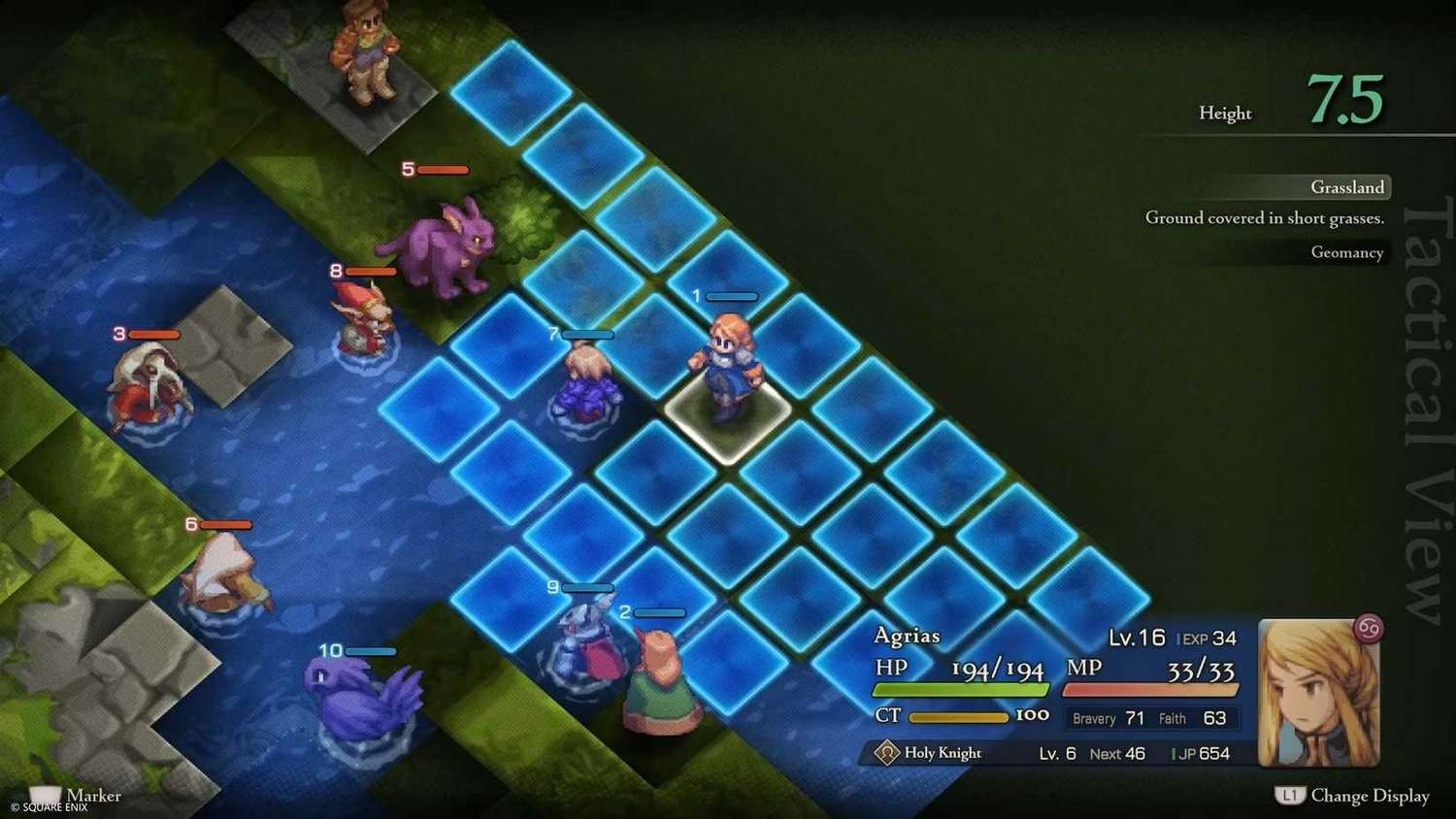
Final Fantasy XVII: Unprecedented Hype and the Weight of Legacy on an Unannounced Title






Popular Now
 NBA 2K24
 Genshin Impact
 Call of Duty
Roblox
Call of Duty
Roblox
 EA SPORT FC 25
 Gacha Club
 Free Fire
 The Legend of Zelda
 Garena Free Fire: Kalahari
 Sonic the Hedgehog™ Classic
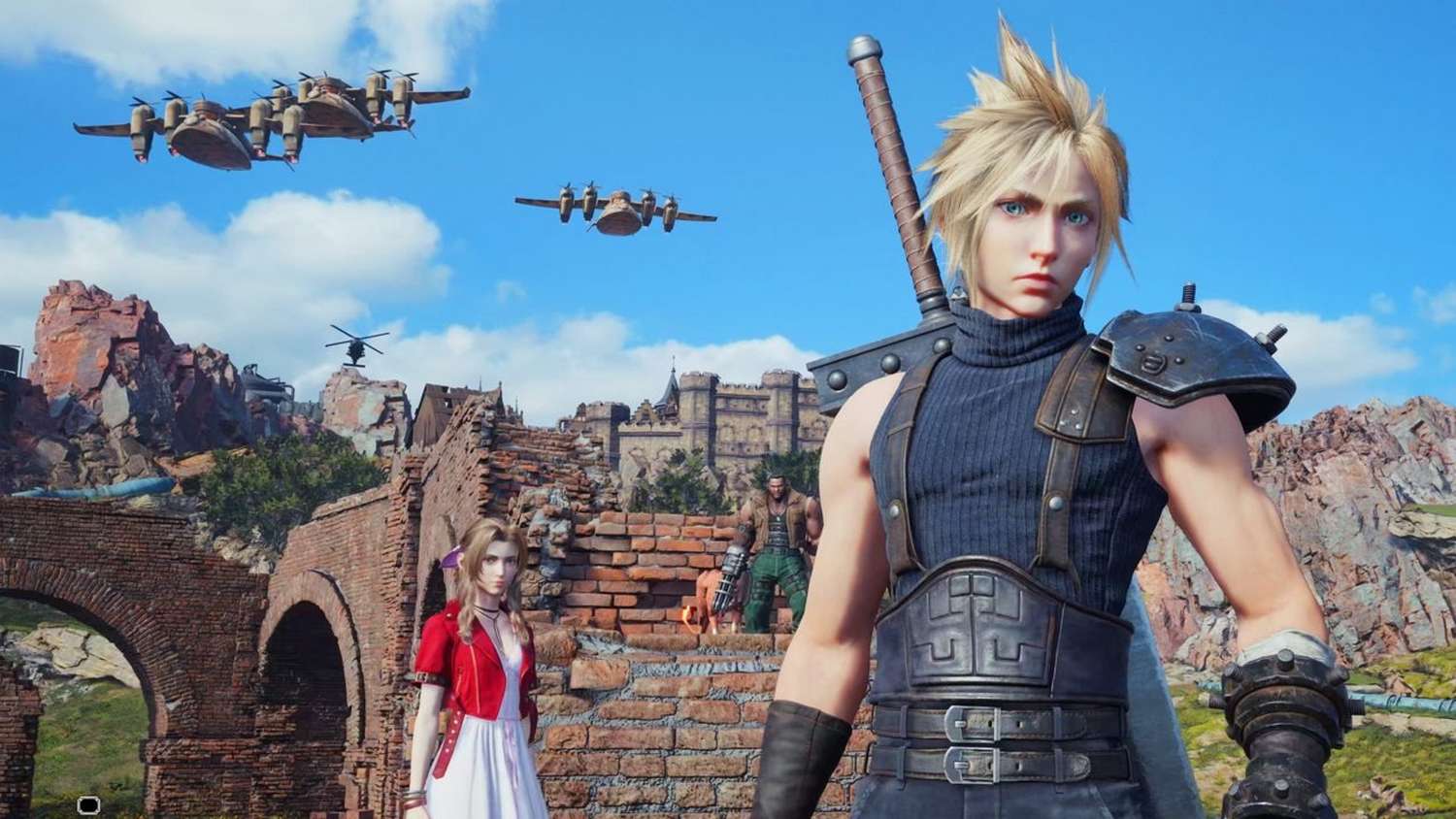 Final Fantasy XVII: Unprecedented Hype and the Weight of Legacy on an Unannounced Title
The gaming world is no stranger to fervent anticipation, but the discourse surrounding Final Fantasy XVII (FFXVII) has reached a unique crescendo long before its official announcement, or even its conceptual existence. In an industry driven by leaks, rumors, and meticulously planned reveals, the sheer volume of fan expectation for Square Enix’s next mainline installment in the iconic JRPG series presents an extraordinary challenge. This article delves into the multifaceted origins of this pre-emptive hype, the significant pressures it places on developers, and what it implies for the future trajectory of one of gaming’s most storied franchises.
The mere mention of Final Fantasy XVII ignites passionate discussions across social media, gaming forums, and dedicated fan communities. This phenomenon isn’t just a testament to the brand’s enduring power; it reflects a complex interplay of nostalgia, evolving industry trends, and the reception of recent titles within the franchise. High-stakes development in the realm of AAA RPGs means that every decision, from combat mechanics to narrative scope, is scrutinized with intense rigor. For Square Enix, navigating these uncharted waters of pre-emptive demand is paramount to ensuring the next installment lives up to, or ideally, surpasses, the colossal benchmarks set by its predecessors.
The Burden of an Illustrious, Yet Divisive, Legacy
The Final Fantasy series has consistently redefined the RPG genre for over three decades, delivering groundbreaking narratives, innovative combat systems, and unforgettable characters. From the turn-based strategic depths of older titles to the action-oriented fluidity of more recent entries like Final Fantasy XVI and the ongoing Final Fantasy VII Remake saga (culminating most recently with Final Fantasy VII Rebirth), the franchise has always embraced change. However, this willingness to innovate has often come at the cost of alienating segments of its deeply loyal fanbase.
- Historical Expectations: Fans remember the revolutionary impact of titles like Final Fantasy VII, X, and XIV, which set new standards for storytelling, world-building, and online engagement. These benchmarks create an incredibly high bar for any new numbered entry.
- Recent Reception: While Final Fantasy XVI garnered critical acclaim for its mature story and visceral combat, some long-time fans expressed disappointment over its departure from traditional RPG elements, such as party customization and exploration. Similarly, Final Fantasy VII Rebirth, while lauded for its expansive world and engaging characters, continued the trend of real-time combat, solidifying a direction that some find polarizing.
- Brand Identity Crisis?: The continuous evolution has led to a perceived ‘identity crisis’ for some players, who long for a return to specific mechanics or thematic elements. This internal conflict within the fanbase translates into diverse, often contradictory, expectations for FFXVII.
The developers at Square Enix face the unenviable task of honoring a rich legacy while pushing the boundaries of what a modern JRPG can be. The pressure isn’t just about making a ‘good’ game; it’s about making a game that satisfies a highly segmented audience, all while maintaining commercial viability in a fiercely competitive market. The game development cycle for titles of this magnitude is arduous, spanning years and costing hundreds of millions of dollars. The financial stakes are astronomically high, making public sentiment a crucial factor even before development truly begins.
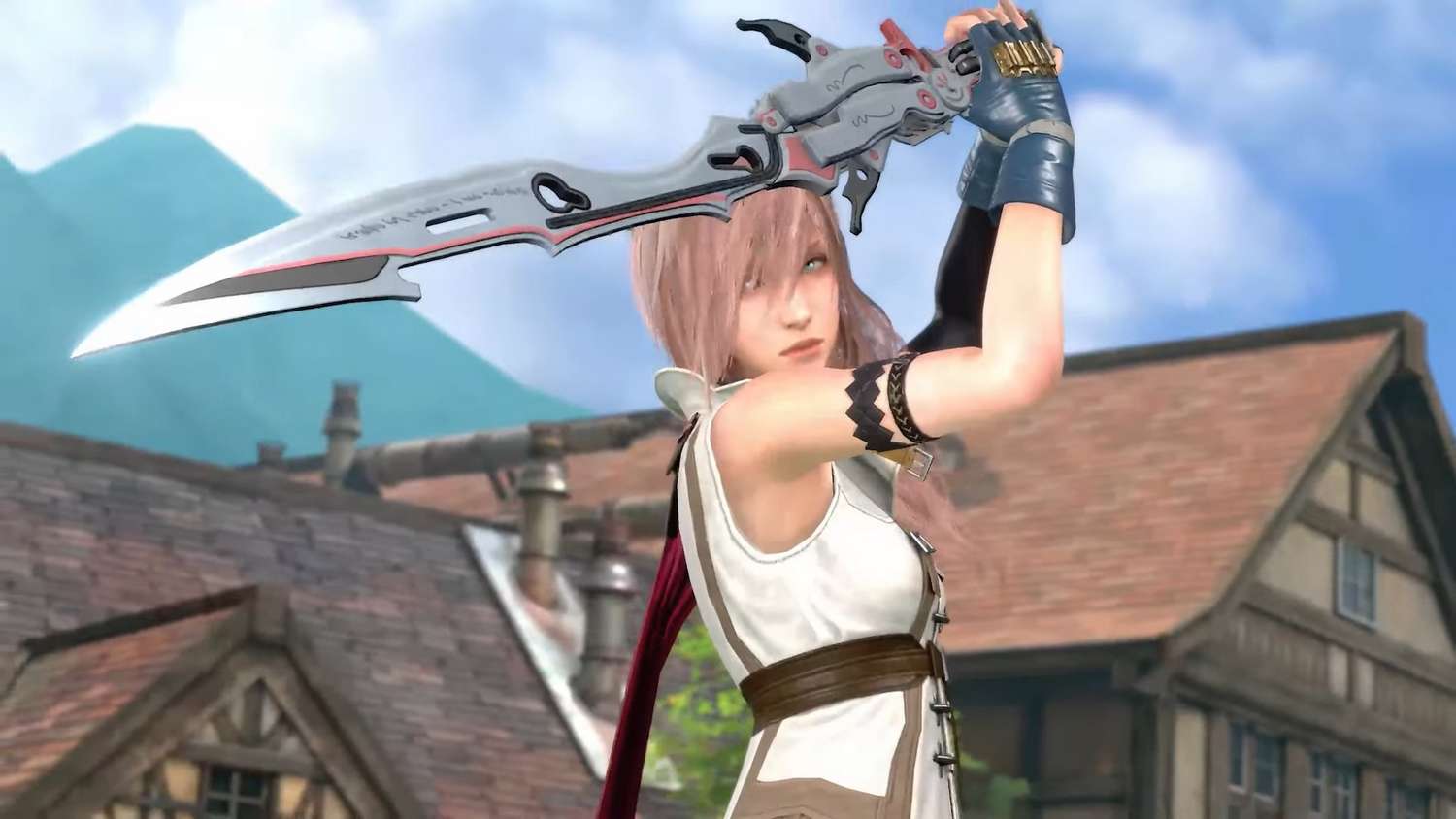
What Does the Fanbase Truly Demand from Final Fantasy XVII?
The collective imagination of the Final Fantasy fanbase is a vibrant tapestry woven with specific desires and hopes for FFXVII. While there’s no single consensus, several dominant themes emerge from community discussions:
- Combat System: This is arguably the most contentious point. Will FFXVII lean further into the action-RPG style of FFXVI, revert to a more traditional turn-based or ATB system, or attempt a hybrid approach? The desire for strategic depth alongside engaging real-time action is a significant talking point.
- World Design and Exploration: Following the mixed reception of FFXV‘s open-world and FFXVI‘s more linear, chapter-based structure, many hope for a truly expansive, yet densely packed, world with meaningful side content. A return to sprawling overworlds with secrets to uncover is a common wish.
- Narrative Scope and Tone: Fans are divided between preferring a darker, more mature narrative akin to FFXVI, or a return to the more fantastical, often whimsical, storytelling of earlier entries. The desire for complex characters, profound philosophical themes, and a compelling central antagonist remains universal.
- Party Customization and Character Development: The ability to control multiple party members, customize their equipment, and delve into their individual stories is a deeply ingrained aspect of the JRPG experience. A richer party system than seen in recent mainline titles is a frequently expressed hope.
- Innovation vs. Tradition: Striking a balance between introducing novel mechanics and respecting established traditions is crucial. Fans want new experiences but also crave the core identity that makes a game feel distinctly