
Dice of Kalma: The Definitive Launch Review – A Deckbuilding Roguelike with a High-Stakes Reroll Mechanic










Popular Now
 CarX Street
 League of Legends
 EA SPORT FC 25
 Grand Theft Auto V
 PUBG Mobile
 BeamNG.drive
 Garena Free Fire: Kalahari
 Roblox
 R.E.P.O
 Minecraft
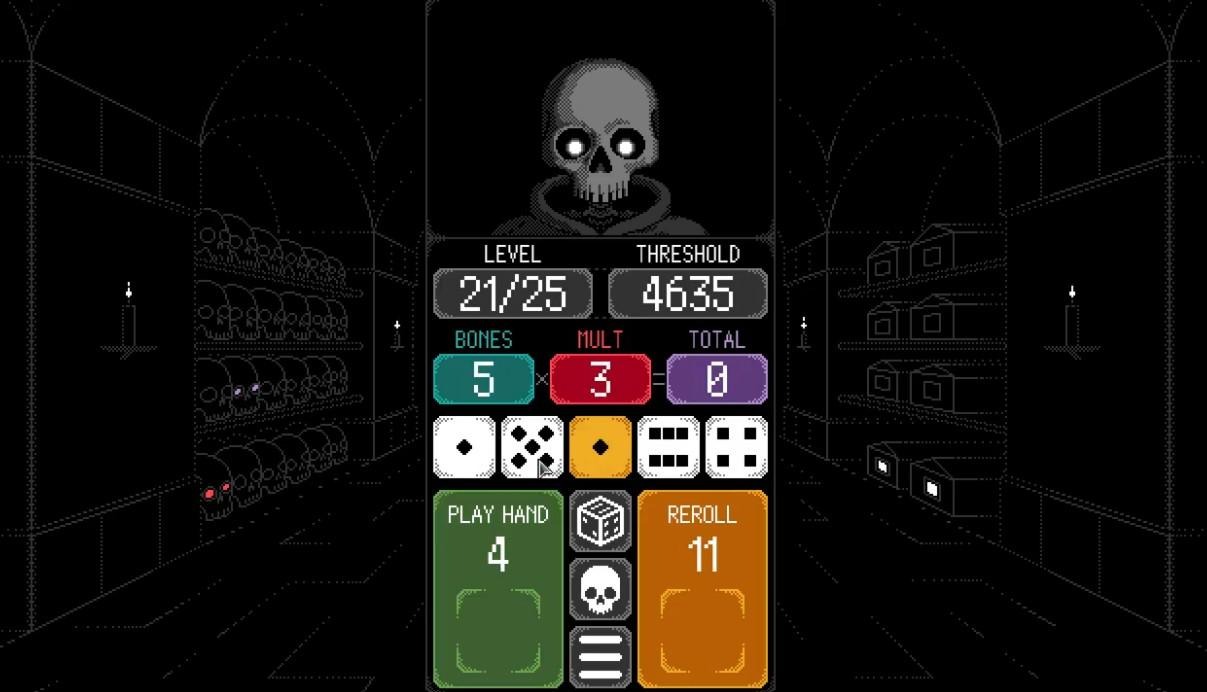
SAN FRANCISCO, CA — The highly competitive market of mobile gaming has seen a new challenger emerge from the underworld: Dice of Kalma. Developed by the niche Finnish studio, Pepperbox Studios, this title successfully merges the deeply strategic complexity of a deckbuilding roguelike with the sheer unpredictability of a strategic dice game. Following its official release on November 14, 2025, the game has been met with positive early reception, scratching what many reviewers are calling the “post-Balatro itch” but establishing a distinct, grim identity of its own.
This comprehensive review delves into the mechanics, design, and long-term appeal of what is arguably one of the most compelling new video game releases in the indie segment this year. We explore why Dice of Kalma is quickly becoming recognized as one of the best roguelike games currently available on both PC gaming platforms and mobile devices.
The Core Mechanic: Playing Dice Against the Grim Guardian
The premise of Dice of Kalma is immediately captivating. Players take on the role of a desperate soul trying to escape the clutches of Kalma, the grim guardian of the Underworld. The game’s engine is a fusion of classic deckbuilding and Yahtzee-style dice rolling, a combination that demands both foresight and a healthy appetite for risk. Unlike many traditional deckbuilders, your “cards” are Skull cards, which are activated by certain dice combinations, and your primary action is rolling and strategically rerolling dice.
The Strategic Reroll: This is where the high-stakes gameplay truly shines. In a departure from conventional dice mechanics, players must choose which dice to keep and which to reroll, constantly evaluating the optimal path to activate their Skull cards. The reroll mechanic itself is a resource management puzzle. Do you sacrifice a decent score now for a chance at a game-winning combination? Pepperbox Studios has cleverly designed this system to be both approachable for casual players and deep enough for hardcore fans of strategic games looking for the next big addiction after titles like Slay the Spire and Balatro.
- Reroll Economy: Managing your limited rerolls is the key to success. Aggressive rerolling can lead to massive score multipliers, but one wrong turn can end the run abruptly.
- Skull Synergies: The Skull cards themselves offer diverse benefits, ranging from permanent die-value upgrades to scoring bonuses for specific poker hands (three-of-a-kind, full house, etc.). Mastering these roguelike deckbuilding synergies is essential for reaching the higher tiers of the Underworld.
- Escalating Difficulty: Kalma’s challenges intensify with each turn. The pressure to generate enough points to survive the round means that passive strategies are quickly punished.
Deep Dive into Deckbuilding and Skulls
The Dice of Kalma deck is not a traditional set of cards you draw from, but rather a collection of permanent “Skull” abilities that modify the dice, the scoring, and the reroll rules for the entire run. This distinction is vital for understanding the game’s depth.
The Power of the Skull Deck
The developers at Pepperbox Studios have curated a roster of Skulls that dramatically alter the playstyle, ensuring high replay value—a non-negotiable trait for any successful roguelike. We observed several compelling archetypes:
The High-Roller Build: Focuses on Skulls that reward achieving high-value hands quickly, often involving high-risk, high-reward reroll loops. This is a favorite among players transitioning from other strategic card games and is often optimized for high-score chasers.
The Manipulation Build: Utilizes Skulls that allow for changing die faces or gaining extra rerolls based on specific outcomes. This is the most complex build, requiring intimate knowledge of all card interactions to execute potent game-changing combinations.
The Grind Build: Emphasizes Skulls that reward consistency, such as providing a small score boost for every die rolled or every reroll used. While less flashy, this strategy is excellent for new players learning the fundamental game mechanics.
Player Feedback Integration: Notably, the developers have been quick to implement Quality of Life (QoL) updates based on early community feedback (Source: Steam Updates, November 2025). Updates, such as the ability to skip dice reroll and score calculation animations, drastically improve the pace, addressing early concerns about the game’s flow. This responsiveness to the gaming community is a strong indicator of the studio’s commitment to the title.
The Verdict on Deck Depth: While the number of Skulls is currently lower than established genre titans, the complexity of their interactions and the strategic choices they force the player to make compensate for the smaller roster. The feeling of discovering a powerful, run-defining synergy is as satisfying as in any top-tier deckbuilding game.
Presentation, Art Style, and Technical Performance
The aesthetic of Dice of Kalma is a major selling point. It employs a stylish, minimalist, and grim visual design that perfectly captures the Underworld theme. The muted color palette, primarily blacks, grays, and eerie greens, is highly effective, and the animation of Kalma observing your dice is a subtle but constant reminder of the stakes.
Clean UI and UX: For a game with intricate numerical mechanics, the User Interface (UI) is exceptionally clean and intuitive, a critical factor for a title aimed at both PC gamers and mobile gamers. The information required for making a strategic decision—current score, active Skull buffs, and available rerolls—is clearly displayed. Early player feedback pointed to difficulty in recalling active Skulls, a point the developers acknowledged and are actively working on improving, showing dedication to the overall user experience (Source: Reddit r/iosgaming community).
Technical Stability: Across the initial launch period, the game has been noted for its robust technical performance on various platforms, including Android games and Steam Deck. This stability contributes directly to the player’s ability to focus entirely on the high-value strategic decisions rather than being interrupted by technical glitches.
The Value Proposition and Future of Dice of Kalma
Priced as a premium indie title on Steam and offering a no-ads/premium purchase model on mobile, Dice of Kalma presents a strong value proposition. In a market saturated with aggressive monetization, the developer’s choice to focus on a pure, skill-based gaming experience is commendable and aligns it with other top indie games that prioritize quality over quick cash grabs.
For players searching for the best phone games that offer substantial depth without the need for constant internet connection or pay-to-win mechanics, this game is a standout choice. It effectively utilizes the mobile format for short, intense, and satisfying runs, making it an ideal candidate for anyone looking for the best offline games for Android or iOS.
Looking Ahead: The roguelike genre thrives on content updates. While the core gameplay is solid, the long-term success of Dice of Kalma will depend on Pepperbox Studios’ ability to introduce new Skulls, new dice types, and new guardians to challenge the player. Given their recent track record of quick QoL patches and their overall commitment to their prior titles, the outlook for continued support and content expansion is highly optimistic.
Final Verdict: Dice of Kalma is a highly polished and deeply engaging title that successfully carves out its own niche within the crowded deckbuilding roguelike space. Its unique fusion of dice manipulation and card synergy makes every run a challenging, tense, and incredibly rewarding experience. It is a mandatory addition to the library of any strategy game enthusiast.
Key Takeaways for Prospective Players
- Genre: Deckbuilding Roguelike / Strategic Dice Game.
- Key Mechanism: Strategic rerolling of dice to activate powerful Skull cards.
- Target Audience: Fans of Slay the Spire, Balatro, and high-value mobile games.
- Strengths: High replay value, clean art style, compelling risk/reward loop, and active developer support.
- Consideration: The initial learning curve for understanding Skull synergies can be steep.
The game is a strong signal that innovation in strategic mobile games is far from over. If you are ready to roll the dice and challenge the grim guardian, Dice of Kalma is waiting.