
Octopath Traveler 0: The Unseen Challenge of Forging a New Path in a Beloved Franchise










Popular Now
 Poppy Playtime
 Stumble Guys
 Genshin Impact
 Rust
Rust
 Fortnite
 BeamNG.drive
 Auto X Drift Racing 3
Sonic the Hedgehog™ Classic
Auto X Drift Racing 3
Sonic the Hedgehog™ Classic
 Warframe
 R.E.P.O
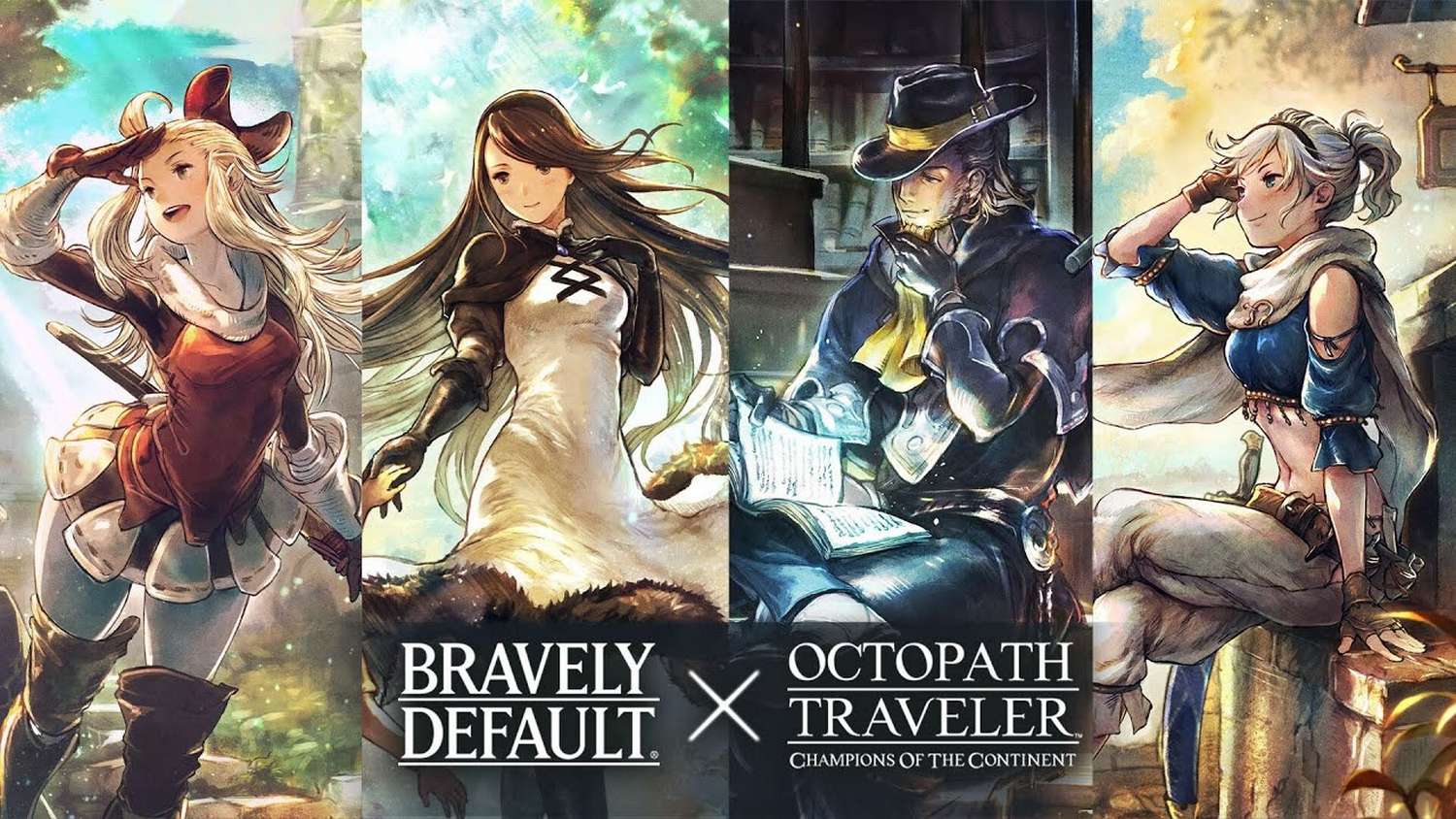 The Weight of Expectation: Octopath Traveler 0’s Imperative to Innovate
In the expansive and often nostalgic world of Japanese Role-Playing Games (JRPGs), certain franchises carry a unique burden of expectation. The Octopath Traveler series, renowned for its stunning HD-2D graphics, intricate turn-based combat, and unique narrative structure, is one such titan. While Octopath Traveler 0 remains a hypothetical or unannounced title, the very concept of a prequel or a foundational entry demands immediate scrutiny: what would it need to achieve to genuinely earn its name and stand proudly alongside its critically acclaimed predecessors? This isn’t just about iteration; it’s about proving its right to exist within a beloved canon.
The original Octopath Traveler, launched by Square Enix, carved out a distinct niche with its innovative blend of retro pixel art and modern 3D effects. It reintroduced players to a strategic JRPG combat system centered around the ‘Break and Boost’ mechanics, offering a refreshing challenge. Its successor, Octopath Traveler II, built upon this foundation, refining character interactions and weaving more compelling overarching narratives that addressed some of the original’s criticisms regarding disconnected storylines. For a theoretical ‘Octopath Traveler 0’ to truly succeed, it cannot merely mimic; it must evolve, presenting a compelling argument for its necessity in the franchise’s lore and gameplay evolution.
Defining the ‘Octopath’ Identity: More Than Just Aesthetics
The core identity of Octopath Traveler extends far beyond its gorgeous visuals. It encompasses eight distinct protagonists, each with their own personal journey, unique Path Actions that interact with NPCs in different ways, and a flexible job system allowing for deep customization and strategic party building. Any entry bearing the ‘0’ moniker would ostensibly delve into origins, perhaps exploring the foundational events that shaped the world of Solistia or providing backstories for key elements. This presents a fascinating challenge: how to create a ‘0’ that feels fresh and essential, rather than a mere retread or a shallow attempt at fan service?
- Narrative Cohesion as a Priority: While the isolated stories were a stylistic choice in the first game, Octopath Traveler II demonstrated the power of more interconnected narratives. A ‘0’ entry, especially one potentially exploring foundational lore, would greatly benefit from a strong central theme or an overarching conflict that subtly, or even explicitly, links the individual character arcs. This would elevate the storytelling beyond parallel narratives into a truly interwoven tapestry, providing a deeper understanding of the world.
- Evolving Character Dynamics: The strength of any JRPG lies in its characters. For ‘Octopath Traveler 0’, the eight travelers shouldn’t just meet; their interactions should feel impactful and contribute to their personal growth and the overarching plot. Deeper ‘traveler banter’ and side quests that genuinely reflect the relationships between party members would be crucial for fostering player investment.
- Innovation in Path Actions: The unique interaction mechanics are a hallmark. ‘Octopath Traveler 0′ should introduce new types of Path Actions or evolve existing ones to offer more complex moral choices, leading to varied outcomes that influence the world or the characters’ reputations. This enhanced agency would significantly boost replayability and player engagement.
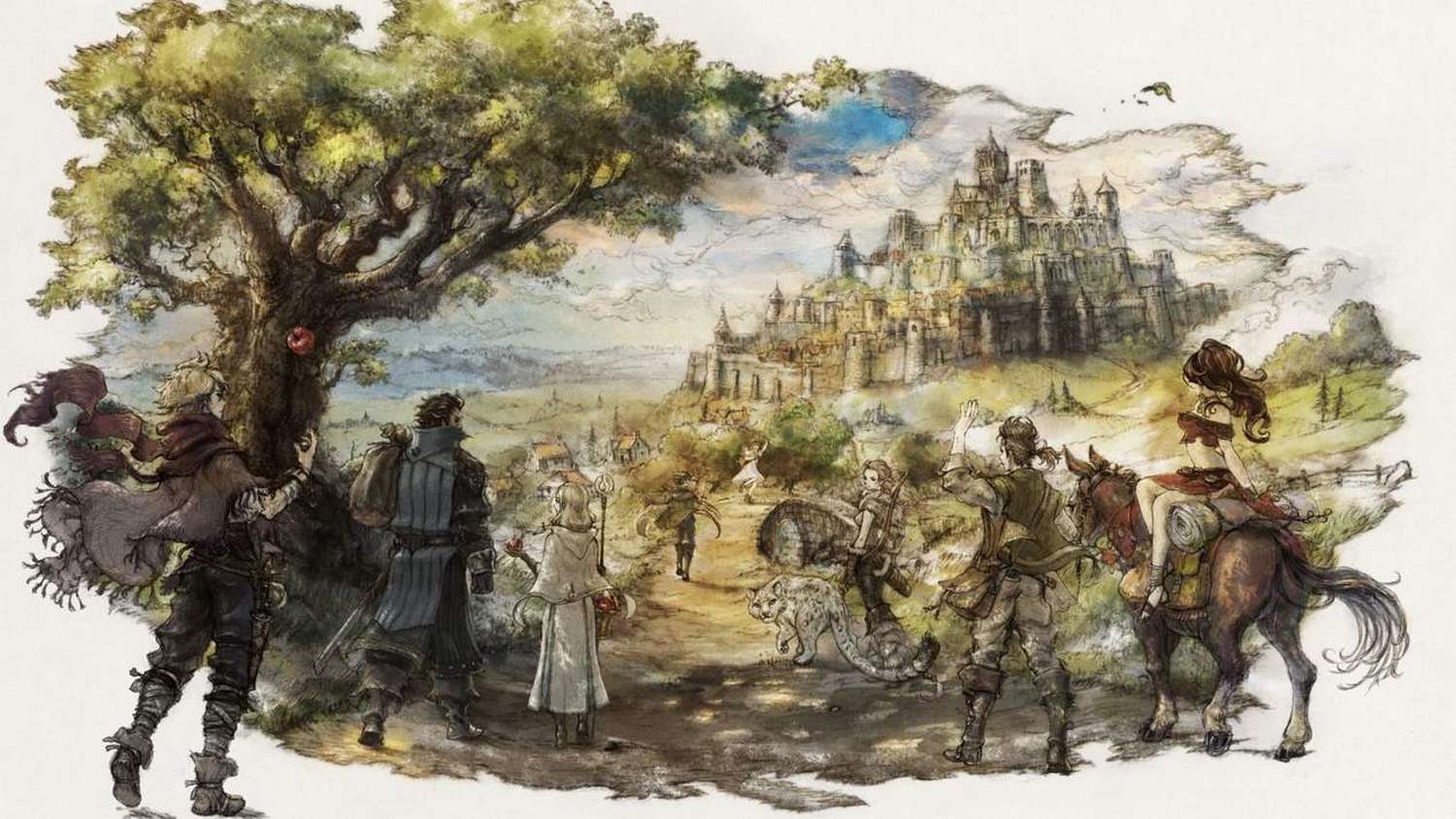
Gameplay Refinements and World-Building: The Core Pillars
The combat system in Octopath Traveler is widely praised for its strategic depth. The ‘Break’ mechanic, requiring players to exploit enemy weaknesses to stun them, combined with the ‘Boost’ system for powerful attacks or healing, offers a satisfying loop. A ‘0’ title must build upon this, perhaps introducing new weapon types, advanced job classes, or even environmental interactions within battles that add another layer of strategy. The enemy design, too, must remain fresh and challenging, pushing players to constantly adapt their tactics.
Moreover, the world itself needs to feel alive and responsive. Exploring the world of Orsterra or its preceding incarnation should be an adventure filled with secrets, compelling side quests, and vibrant towns. For a ‘0’ entry, the opportunity to establish foundational lore, ancient civilizations, or the origins of the sacred flames would be immense. This world-building needs to be meticulously crafted, providing context for the later games without creating inconsistencies or plot holes. The emphasis should be on creating a world that feels both familiar and brand new, rich with history and ripe for exploration.
- Enhanced Exploration and Discovery: Beyond fast travel, ‘Octopath Traveler 0’ could introduce more dynamic world elements, hidden paths, or areas that unlock based on specific party compositions or unique Path Actions, encouraging thorough exploration.
- Meaningful Progression Systems: While the current job system is robust, further refinements to skill trees, equipment customization, or even a ‘prestige’ system for advanced jobs could provide deeper long-term engagement for players who enjoy optimizing their party.
- High-Quality Side Content: Side quests should not feel like busywork. For ‘Octopath Traveler 0’, each optional narrative should offer unique insights into the world, character backstories, or even unlock powerful new abilities, ensuring that optional content feels as rewarding as the main narrative.
Navigating the Franchise Legacy and Future Trends
The gaming industry is constantly evolving, with new trends in narrative delivery, graphical fidelity, and player expectations. While Octopath Traveler has firmly established its retro-modern aesthetic, a ‘0’ title would need to demonstrate its awareness of contemporary gaming without compromising its core identity. This could mean smoother UI, quality-of-life improvements that streamline gameplay without simplifying it, or even subtle enhancements to the HD-2D engine that push its visual boundaries even further.
The concept of ‘0’ often implies an origin story, a foundational tale. This carries significant implications for franchise legacy. A poorly executed ‘0’ could dilute the brand, while a brilliant one could enrich the entire series, providing deeper context and enhancing replay value for the subsequent titles. The writing must be impeccable, the pacing deliberate, and the emotional beats resonate with players. This isn’t just a matter of telling a story; it’s about crafting an origin that *matters* to the overall mythology.
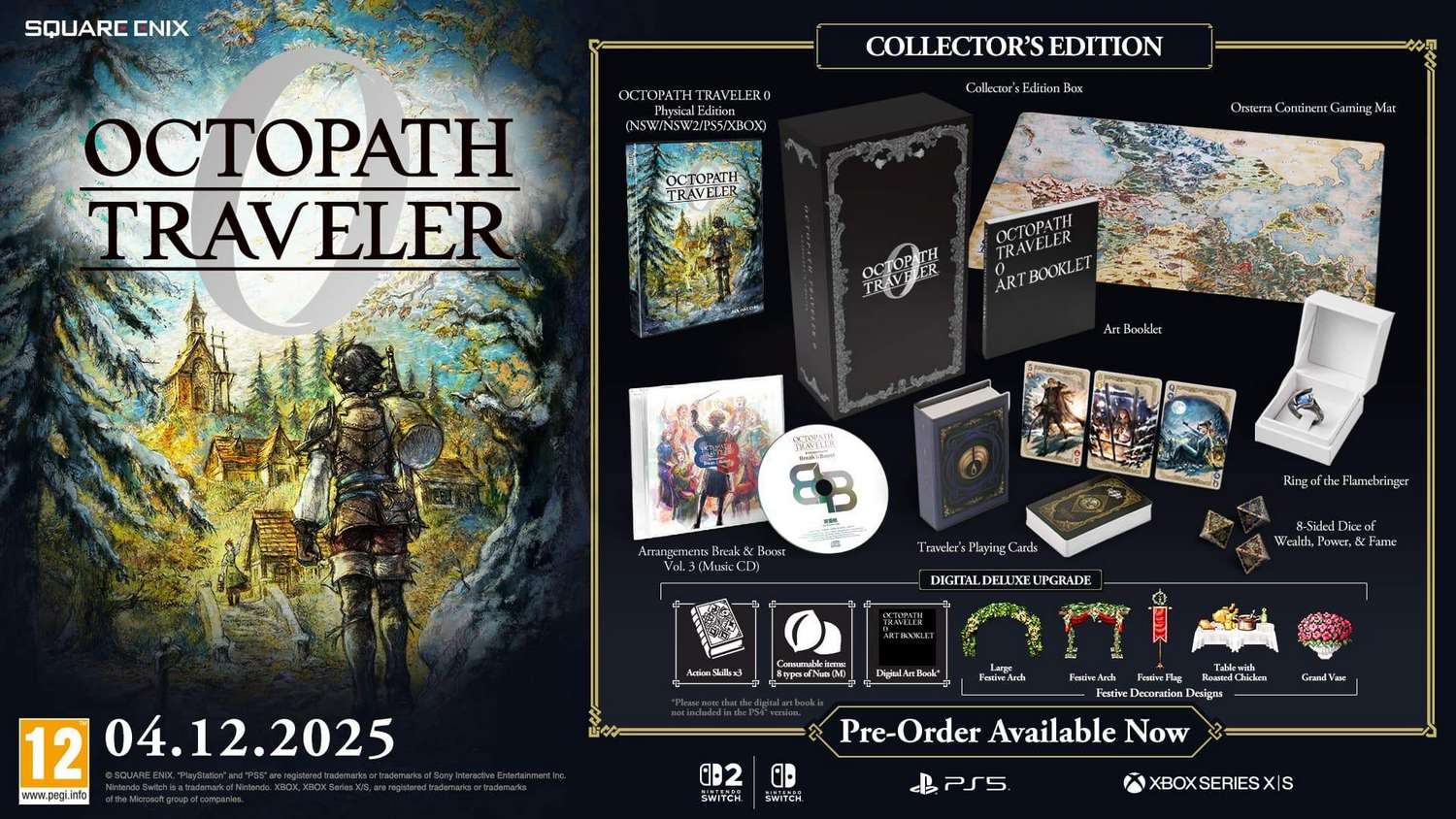
The Burden of Proof: Earning the Octopath Traveler Name
Ultimately, any game titled ‘Octopath Traveler 0’ would face an immense challenge. It’s not enough to simply exist; it must actively prove its worth. It needs to demonstrate a clear vision for its place within the franchise, offering innovations that move the series forward while respecting its celebrated past. From its overarching narrative and individual character arcs to its refined combat mechanics and captivating world-building, every element must contribute to a cohesive and unforgettable gaming experience. The journey to earning the ‘Octopath Traveler’ name is a rigorous one, demanding not just fidelity to the original vision, but a bold stride towards an even more compelling future for Square Enix’s beloved JRPG series. Only then can it truly stand as a foundational pillar, rather than just another entry.