
New Gen Manga Dominance: How Boruto’s Reign Was Challenged and Overtaken in the Publishing World










Popular Now
 Minecraft
 Candy Crush Saga
 Fall Guys
 Poppy Playtime
Among Us
Poppy Playtime
Among Us
 Brawl Stars
 EA SPORT FC 25
 R.E.P.O
 CarX Street
 NBA 2K24
 For several years, Boruto: Naruto Next Generations (and its recent rebrand, Two Blue Vortex) has occupied a complicated position in the sales charts. Attached to one of the “Big Three” legacy franchises, it carries immense name recognition, but its sales trajectory—particularly for physical tankōbon volumes—has consistently trended downward since its debut. This decline is not catastrophic but represents a significant cooling compared to the powerhouse numbers of its predecessor, Naruto.
Recent Oricon rankings for early 2025 confirm this trend. While volumes of Boruto: Two Blue Vortex still chart upon release, they are often outpaced not just by “legacy killers” but by established mid-tier series and even new volumes from older franchises. For example, reports indicate that the latest volumes of Two Blue Vortex struggle to break the 100,000-copy sales threshold in their debut month, a number considered a strong baseline for major Shueisha properties.
- The Monthly Hurdle: Boruto’s monthly serialization schedule in V Jump (a magazine with lower circulation than Weekly Shōnen Jump) naturally grants it less frequent visibility than weekly titles, contributing to lower individual volume sales.
- Digital Dominance: It is crucial to note that digital readership remains robust. Chapters of Boruto consistently rank in the top tier on Shueisha’s official Manga Plus app, suggesting that global interest is high, but the preference for free digital reading is directly impacting high-CPC physical media sales.
- Anime Gap: The series currently lacks an active anime adaptation—a powerful marketing engine that historically drives physical manga purchases. The absence of a high-budget, highly-anticipated seasonal anime release (similar to Jujutsu Kaisen or Demon Slayer) suppresses its sales potential significantly.
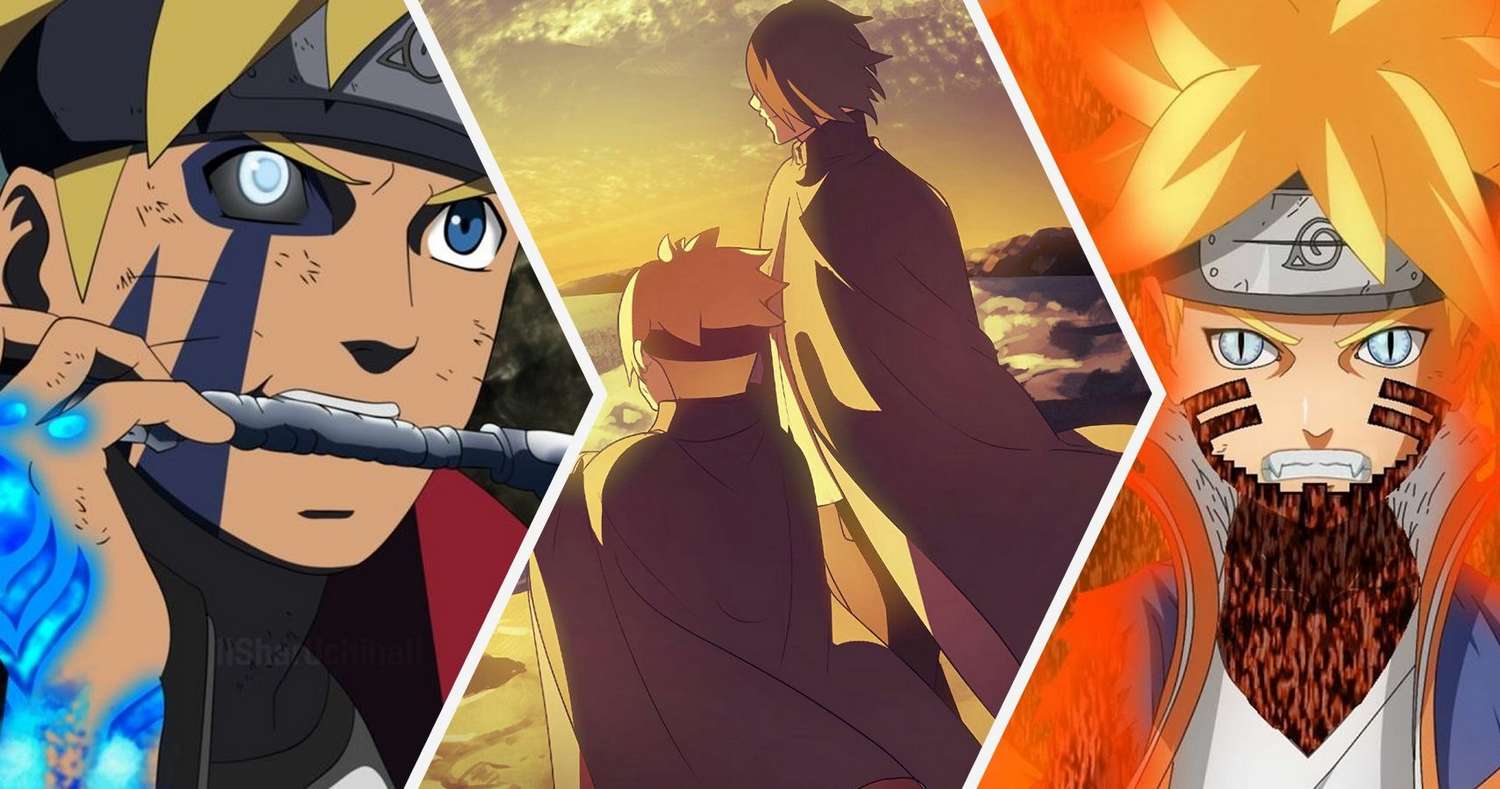 The New Guard: Manga That Overtook Boruto
The true story of the 2024-2025 manga market is the ascension of titles that have mastered cross-media synergy, effectively demonstrating how critical a stellar anime adaptation is to maximizing manga sales in the current era. Several titles have not just challenged but decisively overtaken Boruto in both total annual sales and individual volume performance, redefining the landscape of new-gen shōnen.
The clear market leader remains Jujutsu Kaisen. Its strategic volume releases, perfectly timed around its globally streaming anime seasons, have propelled it to the number one spot in recent years, selling millions of copies annually and commanding immense global media attention. However, beyond the established behemoths, the competition is fierce:
- Chainsaw Man: Tatsuki Fujimoto’s dark action-horror series continues to dominate U.S. and global sales, benefiting from its cult following and anticipation for its next animated project.
- Blue Lock: This soccer-themed title leveraged its highly successful anime and real-world sporting events to secure a position in the top 5, demonstrating the power of sports manga when paired with quality animation.
- Kaiju No. 8: A prominent monthly title that garnered significant hype for its debut anime, leading to massive early volume sales that immediately surpassed Boruto’s recent performance.
- Rising Stars: Newer, non-legacy titles like Dandadan (a supernatural comedy) and The Elusive Samurai are consistently generating viral buzz and performing strongly in weekly and monthly Oricon charts, often selling more copies per volume than the latest Boruto releases.
The key factor unifying these successful newcomers is their high-quality anime adaptation and compelling, original premises that resonate strongly with the contemporary demographic, which is actively seeking fresh, well-produced content over legacy continuations.
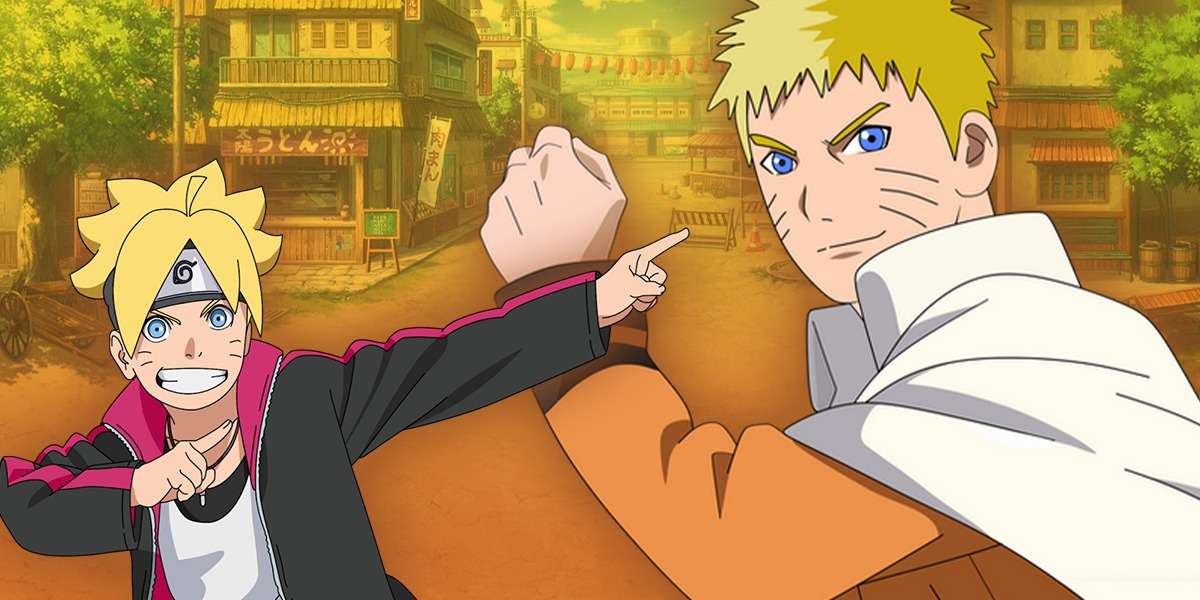 Market Strategy: The Future of the Boruto Franchise
The sales disparity is not necessarily a reflection of the Boruto story’s quality—the recent Two Blue Vortex chapters have been praised for their dramatic narrative turns—but rather a sign of a saturated, highly competitive market where physical sales are driven by cross-media hype. To reclaim dominance or even stabilize its position in the top tier, the Naruto franchise requires strategic intervention:
- Anime Re-Launch: A high-quality, seasonal anime re-launch for Two Blue Vortex is the most critical element. A long-term, high-budget adaptation could generate the necessary hype and organic traffic to convert digital readers into physical volume buyers, much like the successful models used by its competitors.
- Merchandise Synergy: Sales of related high-value merchandise, action figures (like the S.H.Figuarts line), and collaborations must align with key manga plot points to create a holistic commercial ecosystem that reinforces the comic’s relevance.
- Focus on Global CPC: While Japanese physical sales are soft, the series’ global digital popularity remains high. Publishers will increasingly focus on monetizing the immense international appeal, targeting high-CPC regions in the West and Southeast Asia through official digital platforms and localized content releases.
The new generation of manga has definitively shown that while being the sequel to a classic grants an initial advantage, it does not guarantee long-term dominance. Boruto’s future success in the publishing world now hinges entirely on its ability to adapt to the aggressive, anime-driven market strategies pioneered by its younger, hungrier competitors.
Would you like me to focus on another rising new-gen manga like Kagurabachi or Dandadan and analyze their current sales momentum?